

General Core Advantages
Basic Functional Advantages: Adapts to the shape of the sealing surface, does not easily flow, and after filling gaps, provides leak-proof, waterproof, vibration-proof, sound and heat insulation properties. It also blocks external dust, moisture, and chemicals, and acts as a counterfeit and substandard product protector, safeguarding product and consumer interests.
Cost and Adaptability Advantages: Performance ratios can be flexibly adjusted according to needs. Selecting high-quality products can ensure 10-20 years of long-term use. Professional selection can eliminate unnecessary expenses and control overall usage costs.
Characteristics of Different Categories
Classified by main material, the core advantages of common categories are as follows:
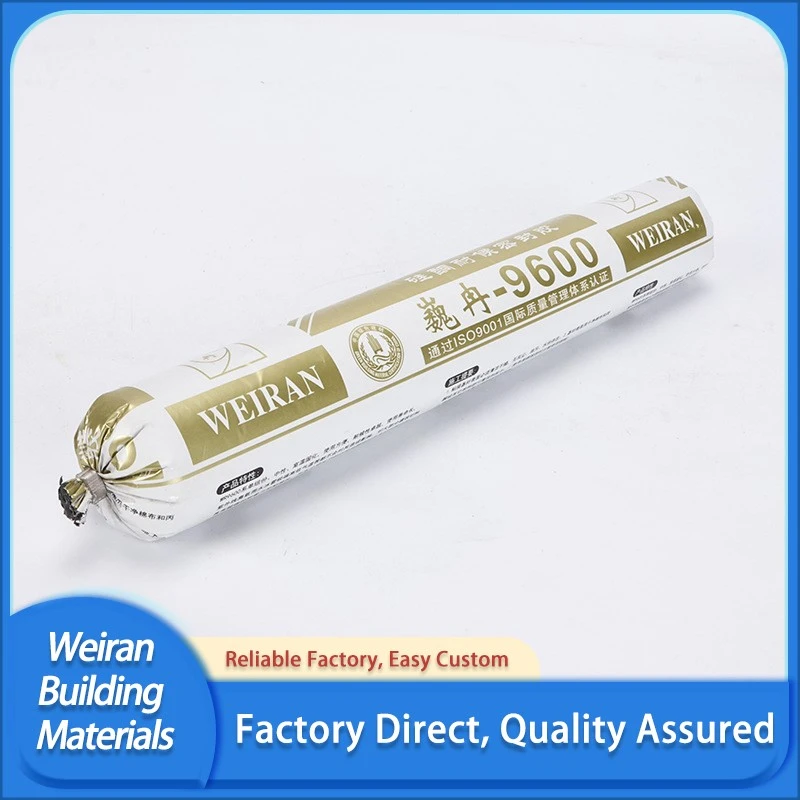
Silicone Sealants:
Outstanding Weather Resistance: Excellent resistance to UV rays, ozone, and aging. Good low-temperature flexibility, making it the preferred material for curtain wall and window industries.
Polyurethane sealant: Excellent overall mechanical properties, good wear resistance after curing, effectively reducing friction and extending service life; good adhesion to various substrates, excellent elastic recovery, high mechanical strength, paintable surface, and most are solvent-free for greater environmental friendliness, suitable for dynamic joints in building interiors, automotive windshield bonding, etc.
Butyl waterproof caulking sealant: Low water vapor permeability, high adhesion, excellent electrical insulation, outstanding airtightness and watertightness; non-curing permanent flexibility, good weather resistance, good chemical stability, environmentally friendly and non-toxic, widely used in building waterproofing, photovoltaic module encapsulation, automotive battery pack sealing, etc.
Modified silicone sealant: Combines the advantages of silicone and polyurethane, curing without bubbles, good weather and heat aging resistance, wide substrate adaptability, most can be applied without a primer, environmentally friendly and solvent-free, suitable for glass bonding and interior building material installation.