


First, check standards and certifications; this is the foundation of environmental protection.
Mandatory standards must be met: Indoor sealants must comply with GB 18583-2008 (Limits of Hazardous Substances) and GB 30982-2014 (Limits of VOCs in Building Adhesives). Do not choose products whose packaging does not indicate these standards.
Prioritize high-level environmental certifications: Products with authoritative certifications such as China's Ten-Ring Certification, French A+, US FDA, and Green Product Certification are more environmentally friendly.
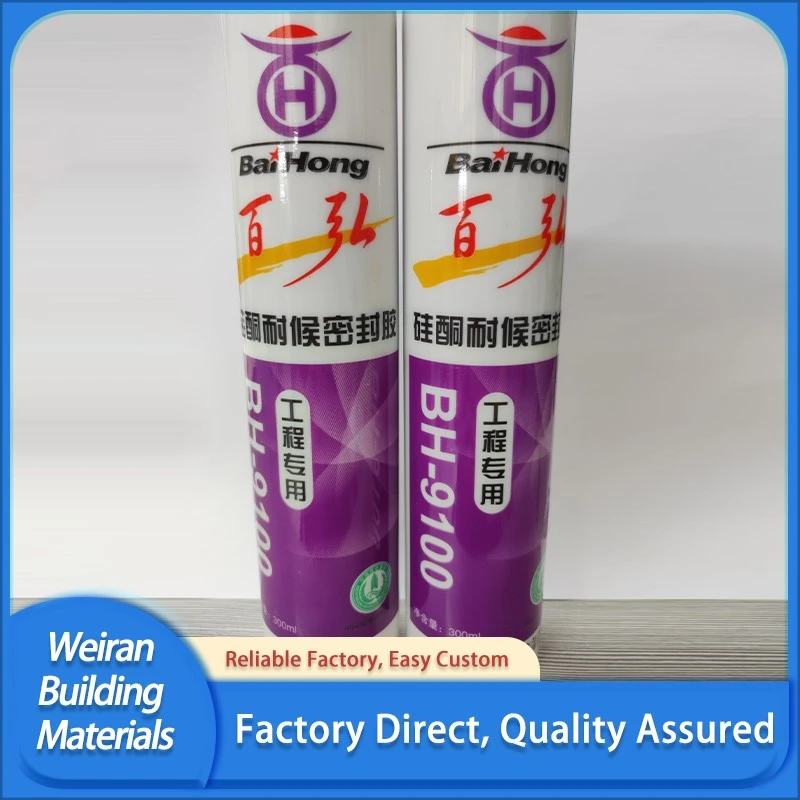
Initial sensory inspection after opening the can:
Be wary of pungent odors: Ketone-oxime type and acidic inferior sealants have a pungent odor and linger after curing, posing a risk of harmful substances. Alcohol-based and MS sealants are almost odorless, with only a faint alcohol/ethanol smell, and the odor dissipates quickly after curing, making them more environmentally friendly.
Observe the adhesive's texture: High-quality environmentally friendly sealants have a uniform and fine texture, without particles or bubbles, and will not emit a strong, irritating odor upon opening.
Check ingredients to avoid risky categories. Prioritize MS adhesive (silane-modified polyether), water-based acrylic sealant (dry area), and neutral dealcoholized silicone sealant, as they have the best environmental performance. Avoid solvent-based nail-free adhesives, ketoxime silicone sealants, and low-priced generic acidic adhesives, as these products have a higher risk of exceeding VOC and benzene limits.