

You can quickly judge the quality of sealant through two steps: observation before purchase and inspection after curing.
Preliminary Judgment Before Purchase and Application
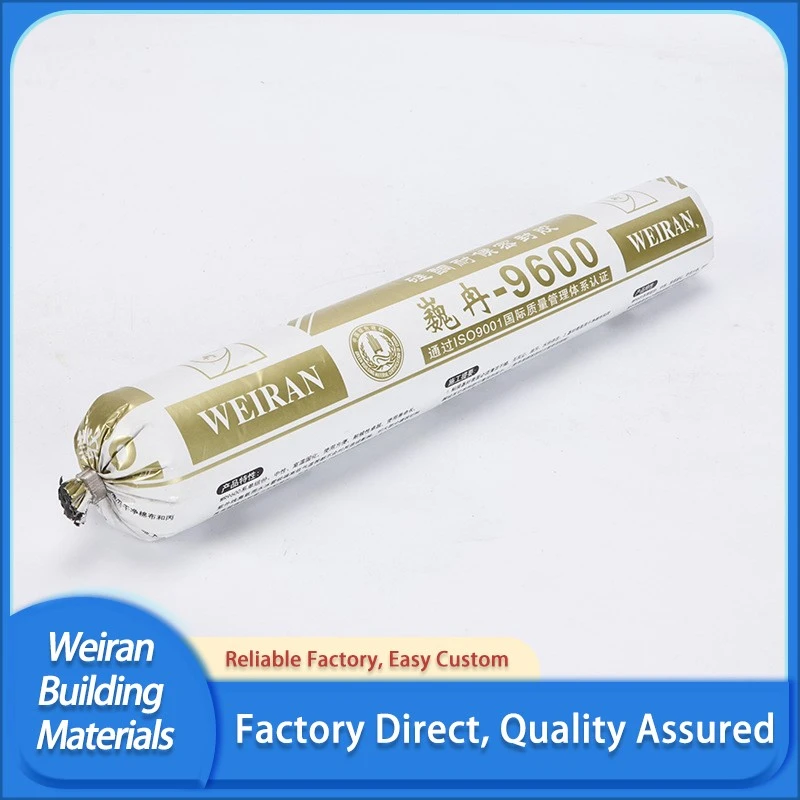
Packaging Labeling: Reputable, high-quality sealant packaging includes complete information, clearly indicating the manufacturer, applicable standards, and instructions for use. Prioritize well-known brands. Sealant with simple packaging and excessively low prices is likely of poor quality.
Observe the Seal's State: Good sealant is fluid but does not easily flow, filling small gaps. Viscosity that is too high or too low will affect sealing performance. High-quality sealant has a fine, uniform texture, free of obvious particles and impurities.
Smell the Odor: High-quality acidic sealant has a faint acidic smell that evaporates quickly after curing; inferior sealant has a strong, pungent odor that lingers for a long time.
Quality Verification After Curing
Check the Appearance and Gloss: High-quality sealant has a strong and lasting gloss after curing; inferior sealant either has no initial gloss or loses its gloss quickly.
Check the curing status: The curing time should conform to the packaging instructions, the hardness should be moderate, and the curing should be consistent inside and out after cutting. If the curing is too fast or too slow, or too soft or too hard, the quality is unqualified.
Test performance: High-quality adhesive has higher tensile strength and peel strength after curing, and there are no bubbles during the application process; inferior adhesive is prone to producing bubbles, easily breaks under tension, and has poor sealing performance.